Recent Wins – 2026 Highlights
U-M Ann Arbor Campus earns Tree Campus certification 18 years in a row!
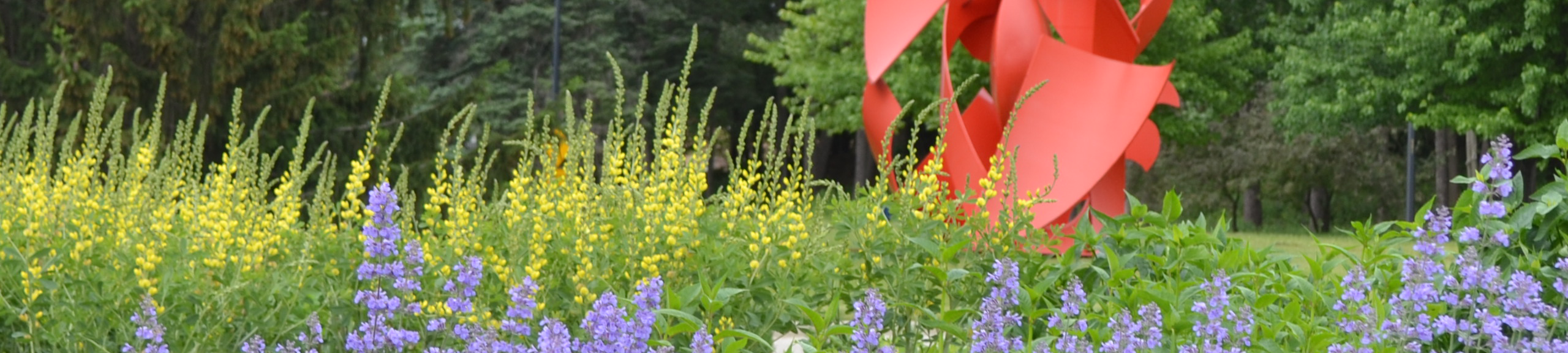
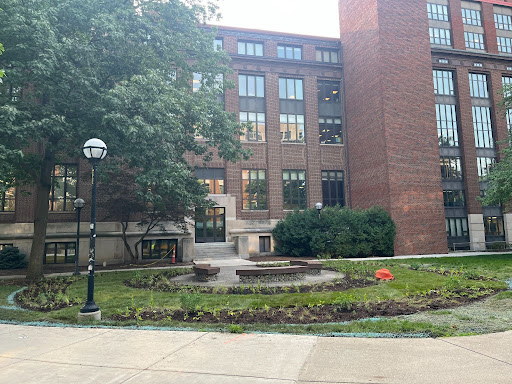
Conversion of multiple beds and turf areas into native plantings to support ecosystem services, biodiversity, and cultural awareness.
Conducted a campus-wide ecosystem assessment of the greater Ann Arbor campus area to inform land use decisions and the development of an eventual comprehensive land stewardship plan.
Refreshed Goals!
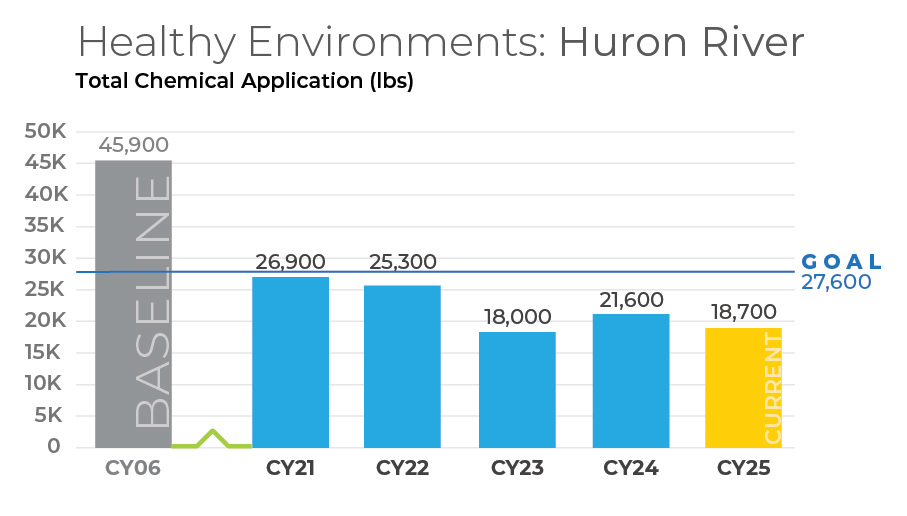
The refreshed Resilient Grounds goals expand upon U-M’s original landscape and chemical reduction goals adopted in 2011, reflecting updated data, evolving campus conditions, and lessons learned over more than a decade of implementation.
Together, these goals emphasize reducing synthetic chemical use, improving biodiversity and ecosystem health, expanding naturalized landscapes, and exploring more site-specific approaches to stormwater and land management across the Ann Arbor campus.
Expanded Resilient Grounds Goals and Targets
Landscape chemical reduction
- Reduce active ingredients of synthetic chemicals by 70% from the 2006 baseline by 2030.
- Eliminate the use of neonicotinoids and 2-4D by 2030 with the exception of treating noxious weeds, invasive plants, and pests.
Biodiversity and ecosystem health
To strengthen ecological understanding and long-term stewardship, U-M will:
- Conduct a campus-wide inventory and gap analysis of ecosystem GIS data to reflect institutional priorities and values, aligned with an ecosystem or habitat index.
- Complete a comprehensive ecosystem assessment, including:
- Use assessment findings to inform conservation planning and future decision-making
- Develop S.M.A.R.T. biodiversity goal(s) by 2027
Land use and stormwater
- Maintain at least 75% of green space in the greater Ann Arbor campus area as naturalized and/or sustainable, aligned with future campus development.
- Increase the resiliency of campus greenspace and infrastructure by prioritizing compact development and preserving and/or restoring habitat and ecosystem services.
- Implement campus-as-lab projects to test stormwater management strategies and evaluate co-benefits, aligned with Campus Plan 2050 and campus sub-area plans
- Establish more nuanced, site-specific stormwater goals by 2027, reflecting local conditions and opportunities
Engagement and stewardship
- Increase visibility of sustainable grounds and stormwater projects across campus
- Expand engagement with academic and research partners to support campus-as-lab opportunities
- Increase and track institutional support for natural area stewardship, including funding, volunteer engagement, and curricular integration.
Efforts Supporting
Resilient Grounds
- Sustainable land management methods and guidelines
- Sustainable grounds management – Pollinator corridors, prescribed burns, goats, and more!
- Stormwater management program
- Stormwater management highlights
- North Campus Woods Conservation Program (volunteer opportunity!)
- Pilot of synthetic-chemical-free zone encompassing Central Campus Diag, relying heavily on manual weed removal and organic products
- Natural Area Specialist position in F&O Grounds Services
Recognition
Resources
2025 Goal Background
The 2025 Huron River protection goal, established in 2011, was to reduce chemical applications to Ann Arbor campus landscapes by 40% by 2025. We’re pleased to report that through the actions of many partners, this goal was achieved in 2019 — six years ahead of schedule and continues to surpass the original target reduction.